Steel Versus Gold Watches: Which Should You Buy?
Admin · November 23, 2026
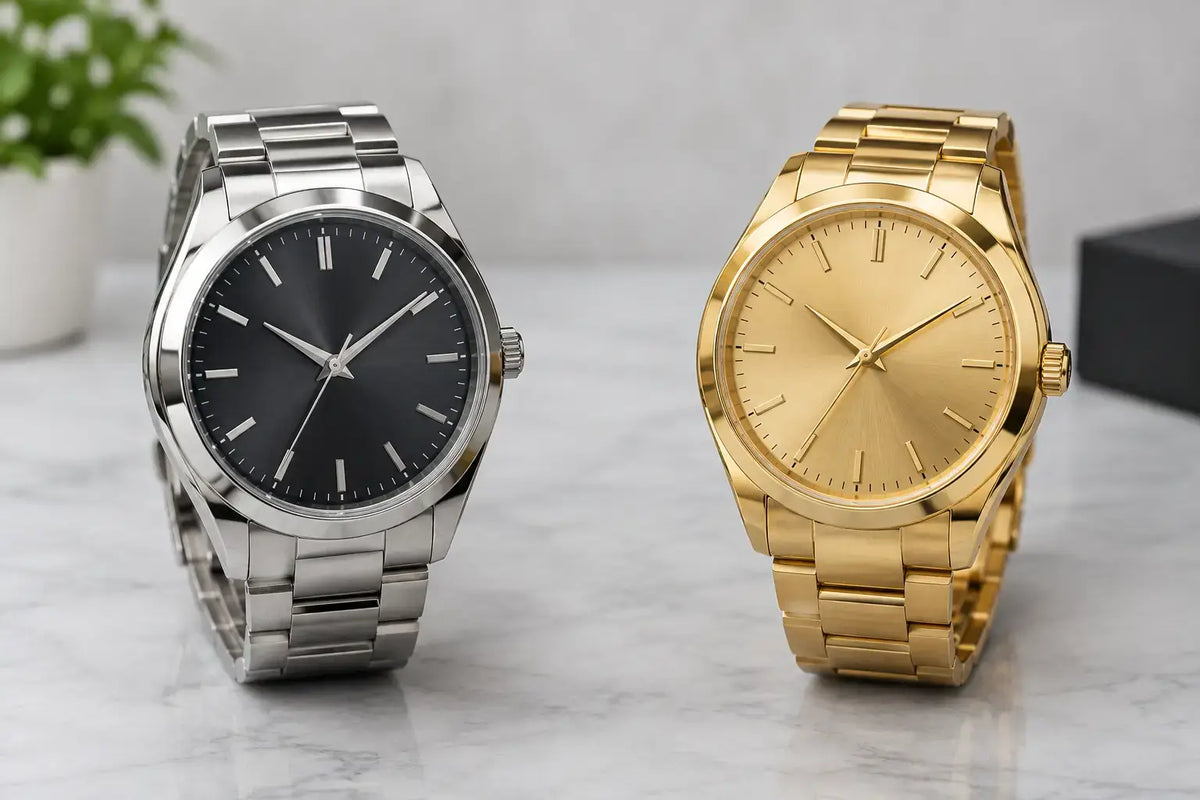
A stainless steel Rolex GMT-Master II can project quiet, informed confidence. An 18k yellow gold Day-Date announces itself before the bracelet reaches the wrist. Both belong to the upper tier of modern watch collecting, yet steel versus gold watches is not simply a question of price. It is a decision about how a watch feels, how it wears, how it holds attention, and what role it will play in a collection.
The right answer depends on the reference, your lifestyle, and the kind of presence you want from a fine Swiss timepiece. A steel sport watch may be the most versatile piece you own. A gold watch can make even a familiar silhouette feel wholly different.
Steel Versus Gold Watches: The Real Distinctions
Stainless steel is the defining material of the modern luxury sport watch. It gives the Rolex Submariner, Audemars Piguet Royal Oak, Patek Philippe Nautilus, and Omega Speedmaster much of their recognizable character: purposeful, resilient, and appropriate almost anywhere. High-grade steel is also comparatively hard-wearing. It will collect hairlines with regular use, particularly on polished surfaces, but it generally tolerates daily life better than precious metal.
Steel's visual strength is restraint. Its cool tone complements black, blue, silver, and colored dials without competing for attention. It works under a cuff, with tailored clothing, on a weekend, or during travel. For a buyer building a first serious watch collection, a steel reference often provides the widest range of wear.
Gold changes the experience immediately. An 18k yellow, white, or Everose gold case has a warmer luster, greater visual depth, and noticeably more weight than steel. That added density is one reason a full-gold bracelet watch feels so substantial on the wrist. The material signals that a watch is not merely a functional instrument. It is a finely made object with real intrinsic value.
Gold is softer than steel, so it deserves a more considered ownership approach. Polished gold bezels, center links, and case flanks can show marks sooner, especially on a frequently worn bracelet watch. This is not necessarily a drawback. To many collectors, the gentle signs of use on an unpolished gold watch contribute to its character. The key is understanding that metal condition has a meaningful effect on long-term desirability.
Why Steel Continues to Command Demand
The strongest steel references occupy a rare position in the market. They are wearable luxury objects, internationally recognized status symbols, and, in certain cases, highly liquid collector pieces. Scarcity at retail has helped sharpen demand for models such as the Daytona, GMT-Master II, Royal Oak, and Nautilus, though no material alone guarantees resale performance.
A steel watch also makes practical sense for an active owner. Its lower weight can be more comfortable through a long workday, and its neutral appearance rarely feels overdressed. A 40 mm steel Rolex Datejust with a smooth bezel can move from a client meeting to dinner with little thought. A Tudor Black Bay or Omega Seamaster offers the same adaptable spirit at a different point in the luxury market.
There is another advantage: steel can preserve the original design language of a sport reference. The sharp geometry of a Royal Oak, the tool-watch heritage of a Submariner, or the motorsport associations of a Speedmaster often feel especially coherent in steel. When the goal is an iconic daily wearer, the material can be part of the reference's appeal rather than a compromise against gold.
The Case for Gold
Gold is for the buyer who wants the watch itself to be the occasion. It transforms familiar models. A yellow gold Daytona is not simply a steel Daytona in a more expensive metal. The case, bracelet, dial combinations, and overall wrist presence create a different proposition. The same is true of a rose gold Royal Oak, a white gold Patek Philippe Calatrava, or a gold Vacheron Constantin Overseas.
Yellow gold is the most classically expressive choice. It carries the language of traditional luxury and pairs beautifully with black, champagne, green, and deep blue dials. White gold is more discreet from a distance, offering precious-metal weight and value with a cooler, almost steel-like appearance. Rose gold brings warmth and a more contemporary personality, particularly when matched with brown, slate, or dark blue tones.
For dress watches, gold has a natural advantage. A slim gold case catches light in a way steel rarely can, and it reinforces the refinement of a beautifully finished mechanical movement. Yet gold is not limited to formal pieces. Contemporary full-gold sport watches are among the most compelling watches on the market, balancing athletic proportions with undeniable luxury.
Buyers should distinguish solid precious-metal construction from gold plating or aftermarket modification. Factory-original gold cases and bracelets from respected maisons carry a fundamentally different level of craftsmanship, provenance, and market confidence. Originality matters, particularly when evaluating a collectible reference.
Value Is About the Reference, Not Just the Metal
Gold has intrinsic material value, but that does not automatically mean every gold watch will outperform its steel counterpart. The market prices desirability, production volume, dial configuration, condition, completeness, and provenance alongside material. A highly sought-after steel sports reference may trade above a less desirable gold model. Conversely, an exceptional discontinued gold reference with an original dial, crisp case, and full set can command a significant premium.
Condition deserves particular attention with gold. Excessive polishing can soften case edges, reduce the definition of a fluted bezel, and remove metal over time. On a bracelet, stretched links or heavy wear can affect both appearance and value. Steel is not immune to these concerns, but gold makes disciplined ownership and careful service history even more important.
For those considering a watch as part of a broader collection, purchase what you will be proud to wear. Investment potential may be a useful factor, especially for landmark references, but it should not be the sole reason to choose steel or gold. Market cycles change. Great design, original condition, and enduring personal appeal remain more reliable guides.
Choosing the Metal for Your Wrist and Lifestyle
Start with when you expect to wear the watch. If you want one exceptional piece for frequent use, travel, and almost any setting, steel is often the natural choice. It is less conspicuous, generally more forgiving, and easily paired with casual or formal wardrobes. A steel Rolex Explorer, Datejust, Submariner, or Omega Seamaster can anchor a collection for years.
If the watch is intended to mark a milestone, lead a collection, or become a signature piece for dinners, celebrations, and high-profile occasions, gold may deliver the emotional return that steel cannot. The tactile weight of an 18k bracelet, the glow of a gold case, and the rarity of certain precious-metal configurations reward every glance at the wrist.
Wrist size matters as well. Gold's added density makes a large watch feel more substantial. A 42 mm gold sports model may be spectacular, but it can be demanding over a full day. Try to evaluate not only the case diameter but also thickness, bracelet construction, clasp, and total weight. A smaller gold dress watch can feel perfectly balanced, while a larger steel watch may remain easier to forget you are wearing.
There is also room for a two-watch answer. Many seasoned collectors pair a steel sport watch for everyday use with a gold dress or sport watch for occasions that call for more presence. The contrast keeps each piece distinct and ensures neither feels redundant.
Buy With Confidence, Then Wear With Purpose
Whether you choose steel or gold, the standards should remain the same: correct reference details, authenticated components, transparent condition reporting, and a seller who understands collector expectations. Box and papers can add appeal and may support future resale, but the watch itself - including case integrity, dial originality, bracelet condition, and movement health - should always lead the evaluation.
Kingdom Watch Company curates authenticated timepieces from the world's finest brands for buyers who value immediate availability and confidence at every stage of the purchase. For a meaningful acquisition, inspect the specifics, ask the right questions, and choose the metal that makes you want to reach for the watch again tomorrow.
The finest choice is not the one that draws the most attention. It is the one whose weight, finish, and character feel unmistakably right the moment it settles on your wrist.



Comments